Have you ever noticed that there’s a different feeling you get after a good walk or a quick swim? That sensation that you’ve really done something; your heart feels a little lighter, your mood brighter, and your legs feel like they might actually be made of the steel you always imagined them to be. That, my friends, is the magic of exercise. It’s not just something recommended by personal trainers or found in gym brochures; in fact, even the NHS endorses the importance of regular physical activity. But before you engage your eye roll and tell me, “But I am exercising my right to watch TV,” stick around, and perhaps I can convince you that this exercise business is something you really want to do. Age and Fitness: Age is not a stop sign, keep going!
Understanding the Role of Exercise in Our Lives
- Exercise is often associated with weight loss. You see it all the time on those boisterous fitness shows. But let me tell you a little secret – exercise is about way more than chasing a number on the scales. Exercise shapes our mental health, weaving its impact into our day-to-day lives like a silent force. It’s like having your personal sunshine on a gloomy day! Heck, exercise even holds a sort of ‘therapy’ in its sweaty grasp. Remember, next time when you’re fretting over a problem, try to take a walk instead of frying some bacon.
Unpacking the Different Types of Exercise
- Just like your favorite brand of tea or the kind of socks you prefer, your choice of exercise needs to suit your style. Let’s address a misconception though – you do not need to start running marathons or pumping iron like a bodybuilder to get active (unless that’s your jam, in which case, rock on!).
- Aerobic exercises: Activities like running, swimming, or cycling get your heart rate up and can make you feel like you’re dancing on the clouds (a sweaty, breathy dance, perhaps, but a dance nonetheless).
- Strength exercises: Lifting weights or resistance training can give you a sense of achievement as you realize that you’re stronger than you think. Remember, strength isn’t about lifting 500 pounds; it’s about lifting your pounds.
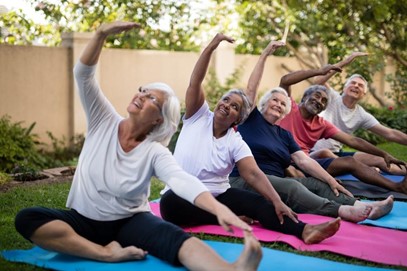
- Flexibility exercises: Yoga or Pilates can leave you feeling elongated, like a piece of well-kneaded dough.
- Balance exercises: Balance is a tricky devil, but exercises like Tai Chi or dance encourage you to embrace the wobble.
The Health Benefits of Regular Exercise
- But what’s in it for you, right? Well, hello there, skeptical skeptic! The health benefits of regular exercise go beyond toned thighs and less jiggle.
- Boosting Physical Health: Regular exercise helps keep your heart healthy, your bones sturdy, and your immune system robust. You’ll stand taller, breathe easier, and could potentially have more immune function than a superhero!
- Enhancing Mental Well-being: Exercise can be a stress reliever, help improve your sleep, and boost your mood. In essence, exercise can be your very own portable cheerleader.
- Long-term Benefits: Regular exercise can play a crucial role in disease prevention and enable you to age healthily. It’s kind of like your personal health insurance policy, only much more fun.
Choosing the Right Exercise for You
- Remember, you are the Picasso of your physical health, and exercise is your paintbrush. Choose an exercise that aligns with your goals, considers your abilities, and most importantly – something you enjoy. Listen to your body; if an exercise makes you feel like a duck out of water and not in a good way, it might be time to switch it up.
Overcoming Barriers to Exercise
- “But, I’m too busy!” I hear you, my time-strapped friend.
- Time constraints: Exercise doesn’t have to take hours. Small increments throughout the day can add up. Stairs instead of the elevator, anyone?
- Motivational challenges: Make it fun. Workout with a friend. Set reasonable goals. And remember, tomorrow is another day.
- Physical barriers: Seek professional advice and always listen to your body. There’s a difference between a good burn and causing potential harm.
- Integrating Exercise into Everyday Life
- No gym? No problem! You can integrate exercise into your everyday life.
- Workplace exercises: Ever tried chair yoga? It can get your blood pumping and battle those midday slumps that make you want to face-plant on your desk.
- Home workouts: YouTube is an oasis of home workouts catering to all levels. Or, see your cleaning tasks as a workout session. Dancing with a mop can be surprisingly enjoyable.
- Outdoor activities: Gardening, walking the dog, a game of frisbee, outdoor swimming – get creative and embrace the natural world as your gym.
Conclusion:
Exercise is an essential part of an active aging strategy. It should be enjoyable, achievable, and most importantly – it should be about you. Because the journey to fitness is as personal and unique as you are.
Get up, get moving, and prove to the world that you’re still kicking!
Frequently Asked Questions:
- Q: Why is exercise essential for overall well-being, especially for those over 50?
A: Regular exercise is vital for maintaining physical health, boosting mental well-being, and supporting active aging. It goes beyond weight management, contributing to a healthier and more fulfilling life.
- Q: Do I need to engage in intense workouts to experience the benefits of exercise?
A: Not at all! Exercise should suit your style and preferences. Whether it’s a brisk walk, yoga, or dancing, the key is to choose activities that align with your goals and bring you joy.
3.Q: What are the different types of exercises, and how do they benefit overall health?
A: There are various types of exercises, including aerobic, strength, flexibility, and balance exercises. Each contributes to different aspects of health, from cardiovascular fitness to enhanced flexibility and balance.
4.Q: What are the specific health benefits of regular exercise?
A: Regular exercise not only improves physical health, such as heart and bone health but also enhances mental well-being. It can act as a stress reliever, improve sleep, and contribute to long-term disease prevention.
5.Q: How can I overcome common barriers to exercise, such as time constraints and lack of motivation?
A: Overcoming barriers involves making exercise enjoyable and achievable. Incorporating small, frequent activities into your day, finding motivation through fun workouts or goal-setting, and listening to your body are effective strategies.
6.Q: Can exercise be integrated into daily life without the need for a gym?
A: Absolutely! From workplace exercises like chair yoga to home workouts available on platforms like YouTube, and outdoor activities like gardening or walking, there are countless ways to integrate exercise into daily life without the need for a gym.
For further information why not look at the below links and start your new Journey to fit are you today.
- NHS – Physical Activity Guidelines for Older Adults:
– https://www.nhs.uk/live-well/exercise/physical-activity-guidelines-older-adults/
- British Heart Foundation – Keeping Active at Home:
– https://www.bhf.org.uk/informationsupport/heart-matters-magazine/activity/keeping-active-at-home
- Mental Health Foundation – Physical Activity and Mental Health:
– https://www.mentalhealth.org.uk/publications/how-to-using-exercise
- Age UK – Exercise in Later Life:
– https://www.ageuk.org.uk/information-advice/health-wellbeing/exercise/
These links provide valuable information on exercise routines, mental well-being, and personalized approaches to staying active.